How Dyebrick Works
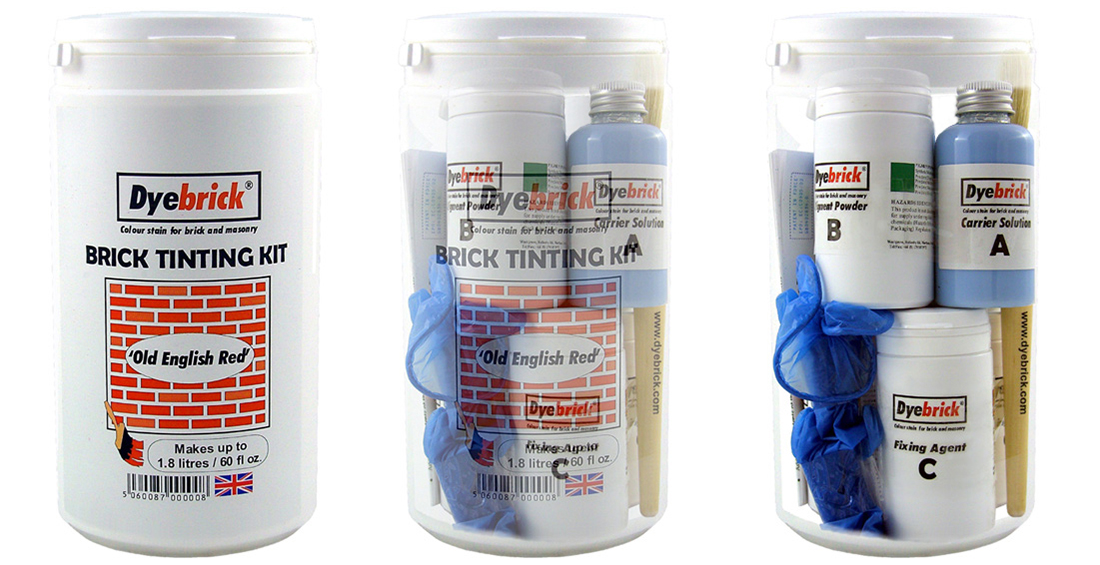
Dyebrick is a water-based mineral tinting system developed to create a permanent, natural-looking colour change on suitable brick and masonry. It combines modified mineral silicates with finely dispersed inorganic iron oxide pigments, producing a translucent finish that preserves the appearance and texture of the original surface.
It bonds with the masonry rather than hiding it
Ordinary masonry paint forms a visible coating over the surface. Dyebrick is formulated for high penetration and reacts with suitable mineral components in the masonry as it dries. This creates an insoluble microcrystalline silicate bond within and at the surface of the brick.
At the initial dilution level the stain is less translucent, the product can then be diluted to allow more of the original surface character to show through.
The intended result looks like naturally coloured masonry rather than a painted wall.
Mineral pigments for durable colour
Dyebrick uses finely ground, micronised inorganic iron oxide pigments, they are selected for colour stability and resistance to ultraviolet light.
The mixed product is non-toxic, non-flammable, odourless and contains zero volatile organic compounds.
Highly breathable brick colour
Brick and masonry need to release water vapour. A heavy surface film can alter that behaviour, which is why breathability matters when choosing a decorative finish.
Dyebrick is non-film-forming and has an Sd value below 0.05 m. It is therefore classified as Class 1 vapour permeable, or highly breathable. When used on suitable brick and tile, the change in surface permeability is too small to measure.
A three-part DIY system
The Brick Tinting Kit separates the system into three components:
- Pot A Concentrated colour pigment
- Pot B Carrier solution
- Pot C Fixing agent
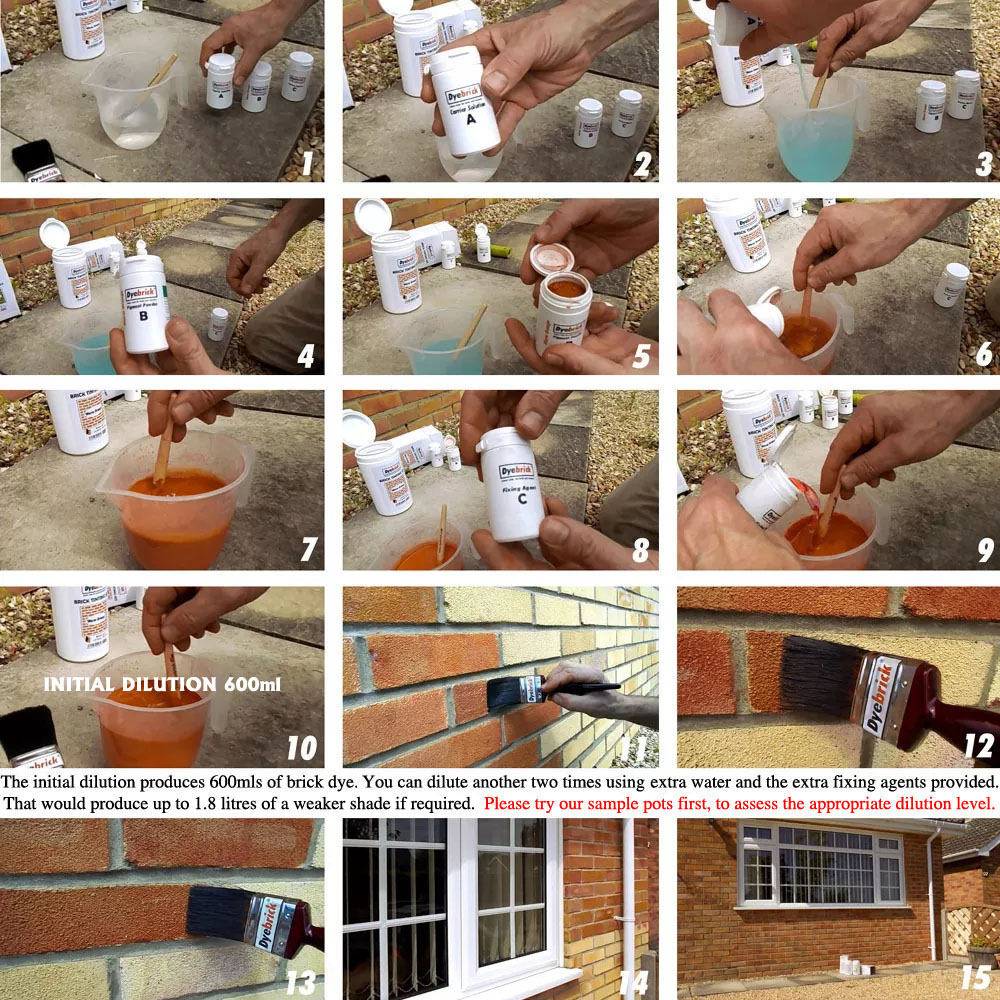
These components are mixed according to the supplied instructions. The colour can then be diluted to produce weaker shades or blended with another colour after careful testing.
Why the original brick colour matters
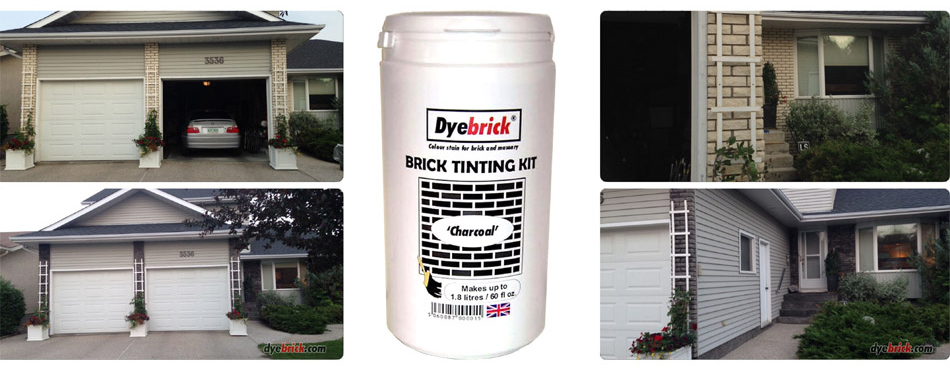
Dyebrick does not completely conceal the brick beneath it. The original colour becomes part of the final result, which is what gives stained brickwork its natural variation.
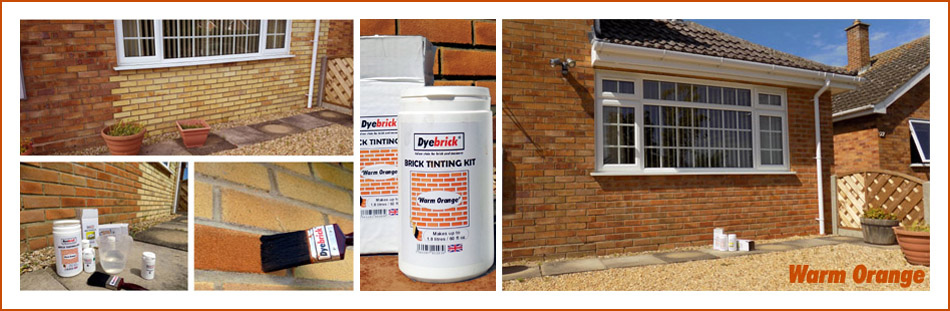
A colour shown on a buff brick will not look identical on a dark red brick. Porosity and surface texture also affect absorption and coverage. Always use sample pots on the actual masonry before selecting full kits or treating a large area.
Explore Brick Stain Colours Try Sample Pots
Where Dyebrick can be used
Subject to a successful test, common applications include:
- Matching new bricks on an extension
- Blending replacement bricks and repairs
- Altering the colour of exterior brickwork
- Updating an internal brick fireplace
- Tinting cement-based mortar
- Correcting colour variation in suitable masonry
Dyebrick should be applied only to clean, dry, absorbent and unsealed surfaces. It is not recommended as a general treatment for patios or paving exposed to traffic and wear.
Developed for lasting results
Dyebrick developed and patented the first DIY brick tinting kit in the world. The underlying tinting technology was developed by our founder and has been used in the construction industry for over 50 years.
The Dyebrick Brick Tinting Kit is manufactured at our own factory here in the United Kingdom.
Eligible brickwork is protected by a lifetime colour guarantee, subject to the published conditions.


